Somewhere in the years around menopause, most women notice their skin start to behave differently. It feels drier and tighter, looks a little thinner and less firm, and reacts to products it once tolerated without complaint. None of this is imagined. Menopausal skin is responding to a real and measurable shift in the body, and once you understand what is driving it, supporting your skin becomes far more straightforward.
The change is led by oestrogen. Skin is rich in oestrogen receptors, which means it is unusually sensitive to the hormonal decline of perimenopause and menopause. As those levels fall, several of the processes that keep skin firm, hydrated and comfortable begin to slow at once. The encouraging part is that thoughtful, ingredient-led skincare can do a great deal to support menopausal skin through that transition.
What Changes in the Skin After Menopause
The most significant change is collagen. Collagen is the protein scaffold that gives skin its firmness and bounce, and its production is closely tied to oestrogen. Studies of post-menopausal skin suggest it can lose close to a third of its collagen in the first five years after menopause, with a slower, steady decline after that. The visible result is skin that looks thinner, softer and more lined than before.
Hydration shifts at the same time. Oestrogen helps drive the skin’s own production of hyaluronic acid, the molecule that holds water in the deeper layers, along with the surface oils that keep the barrier sealed. As both decline, skin loses water more quickly and the barrier becomes easier to disrupt. This is why menopausal skin so often feels tight, dry and a little rough, even for women who never had dry skin before.
A weaker barrier is also a more reactive one. Skin that once stayed calm may begin to sting, flush or feel sensitive in response to actives, fragrance or weather. Cell turnover slows as well, so the surface can look duller and less even, and the natural radiance of younger skin becomes harder to hold onto. Taken together, these are the everyday realities of skin after menopause.
What Menopausal Skin Actually Needs
Once you see the pattern, the priorities become clear. Menopausal skin needs its barrier rebuilt with the kinds of lipids skin recognises, its hydration restored at more than one level, and its renewal gently encouraged without the irritation that thinner, more reactive skin no longer tolerates well. Above all, it benefits from being soothed rather than stripped. Harsh, high-strength routines tend to work against menopausal skin rather than for it.
This is where individual ingredients matter more than marketing. A short list of well-chosen actives, each with a documented role, will do more than a cabinet full of aggressive treatments. The ingredients below are the ones worth knowing.
The Ingredients That Support Skin Renewal
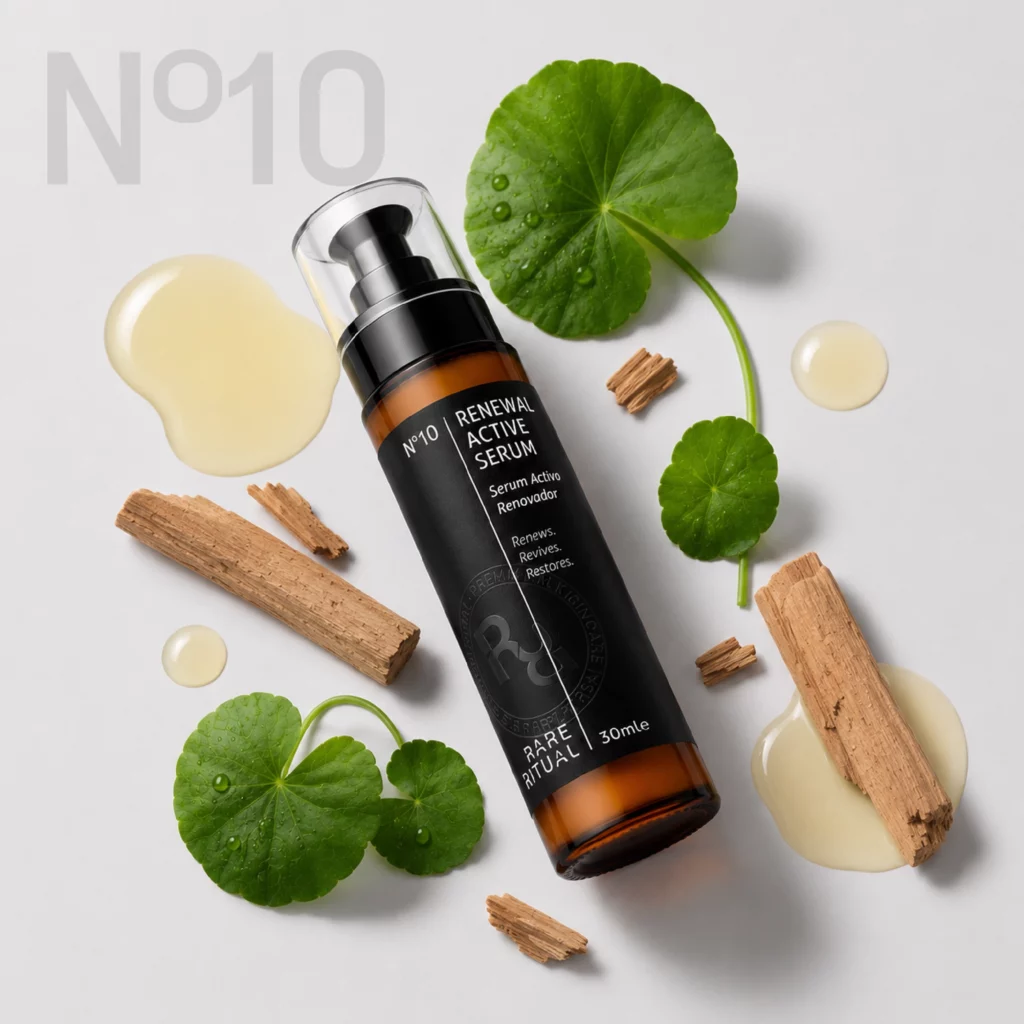
Bakuchiol is the gentle answer to the collagen question. Derived from the seeds of the babchi plant and validated by modern clinical research, it works on the same skin renewal pathways as retinol, supporting collagen production and cell turnover. The difference is tolerance: it does this without the irritation, peeling or sun-sensitivity that make traditional retinoids difficult for thinner, reactive skin. For anyone who has found retinol too harsh, bakuchiol is often the turning point. We go deeper into this pairing in our guide to Niacinamide and Bakuchiol.
Niacinamide, or vitamin B3, supports the skin in making more of its own ceramides, the barrier lipids that hold moisture in and keep irritation out. It also helps calm redness and encourages a more even-looking tone, which makes it especially useful for the uneven pigment and reactivity that often come with this stage of life.
Then there are the barrier lipids: tallow, squalane and jojoba. As skin slows its own oil production, replacing those lipids with ones it recognises is one of the most effective things you can do. Grass-fed tallow has a fatty acid profile remarkably close to human skin, squalane mirrors a lipid the skin makes naturally and produces less of with age, and jojoba behaves much like the skin’s own sebum. Together they nourish and condition the barrier rather than simply sitting on top of it. You can read more in our tallow skincare collection.
For hydration, hyaluronic acid, glycerin and panthenol work as a team. Hyaluronic acid and glycerin draw water into the skin and hold it there, replacing some of what the body no longer produces, while panthenol, or vitamin B5, helps keep the surface soft, comfortable and resilient. Layered hydration like this is far more useful than a single heavy cream.
Finally, the soothing actives. Centella Asiatica, long used in traditional medicine and now well studied, supports collagen while calming inflammation. Bisabolol, derived from chamomile, is one of the gentlest anti-inflammatory ingredients available, and allantoin softens and comforts skin that has become rough or reactive. For skin that has grown more easily irritated, this quiet support matters as much as any active.
How No 22 Supports Menopausal Skin
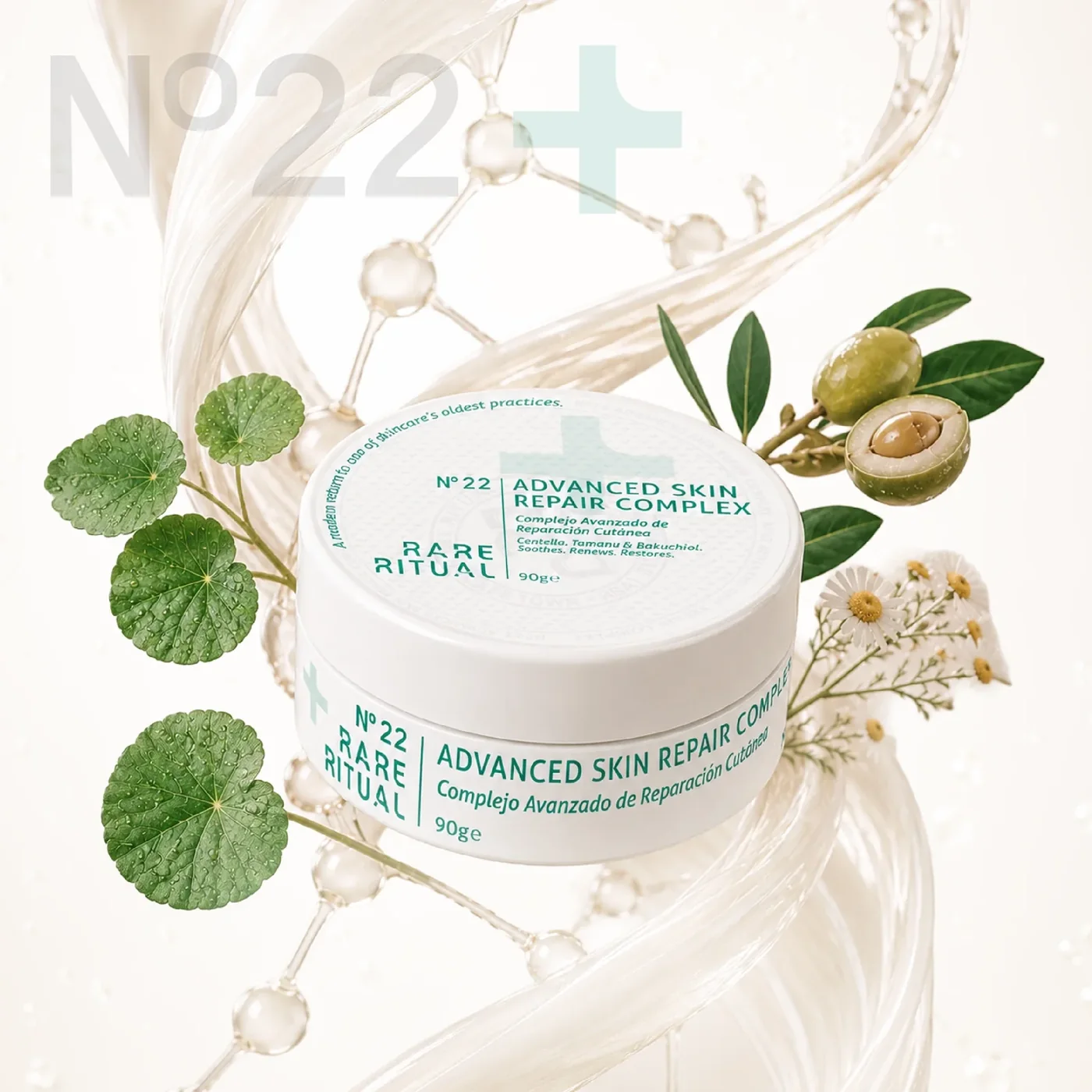
Most of these ingredients already sit together in one formula. No 22 Advanced Skin Repair Complex was originally created for skin in recovery, for post-procedure care and the appearance of scars and stretch marks, but the logic that makes it work there maps almost exactly onto the needs of mature and menopausal skin. Barrier lipids, gentle renewal, layered hydration and calming botanicals are exactly what skin asks for as oestrogen falls.
It brings grass-fed tallow, squalane and jojoba together with bakuchiol, niacinamide, hyaluronic acid, Centella Asiatica, bisabolol and allantoin in a single rich cream, balanced to a skin-friendly pH of 5.5 to 6.5 so each ingredient can do its work. Used morning and evening, it helps nourish a dry, depleted barrier, supports the look of firmer, more even skin over time, and comforts areas that have turned reactive. It is rich enough for the face and generous enough for the body, which suits the all-over dryness many women notice after menopause. If your skin is very sensitive, patch test first, as the formula contains natural botanical extracts. You will find it within our Heal collection.
A Simple Routine for Menopausal Skin
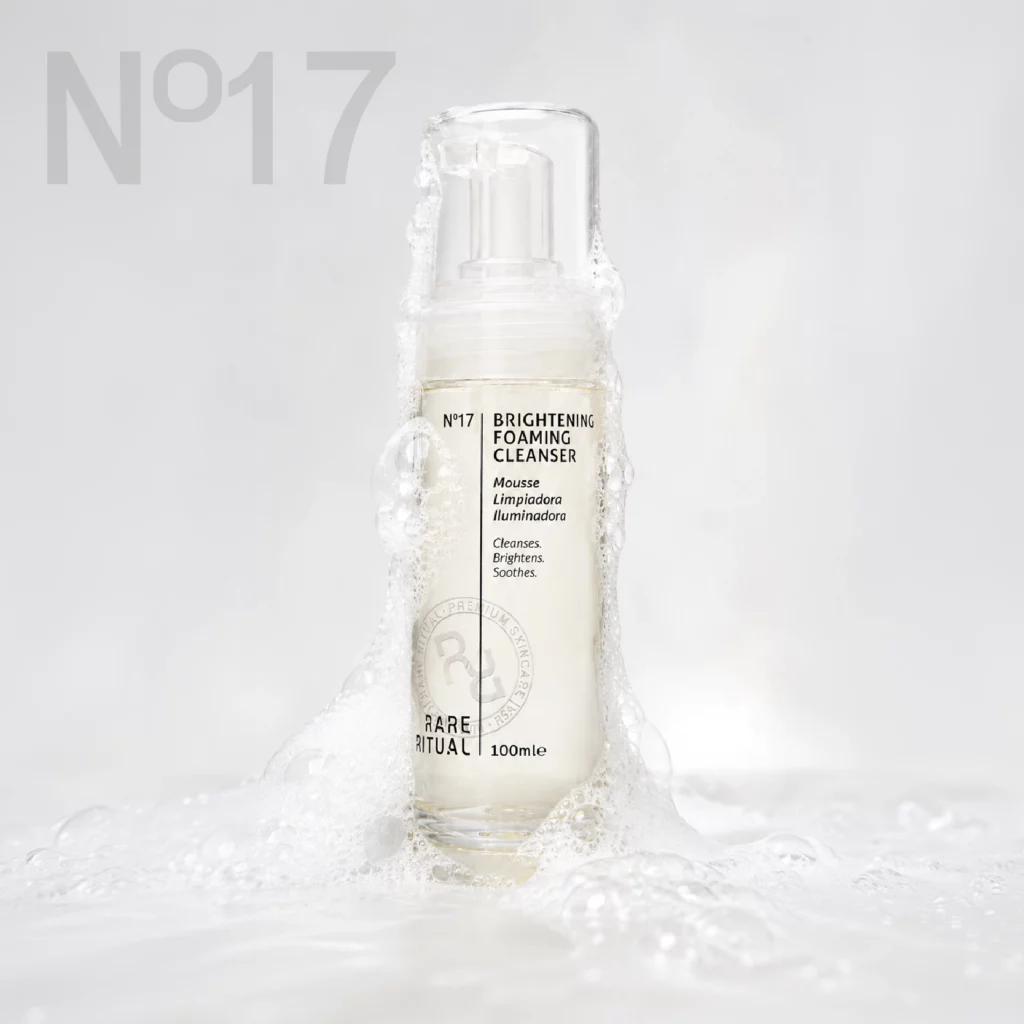
Caring for menopausal skin does not need to be complicated. Cleanse gently with something that does not leave skin squeaky or tight, since stripping the barrier only deepens the dryness. While skin is still slightly damp, apply your hydrating and nourishing steps so they have water to seal in. A rich, barrier-supporting cream then works beautifully as the final layer, holding moisture in overnight and through the day.
The one non-negotiable is sun protection. Thinner, lower-collagen skin is more vulnerable to UV, and daily sunscreen is the single most effective way to protect the firmness and even tone you are working to support. A gentle cleanse, layered hydration, a nourishing barrier cream and daily SPF is a complete, realistic routine for most skin at this stage.
Menopausal skin is not a problem to be fixed. It is skin doing exactly what it is biologically prompted to do, and it responds remarkably well to being understood and supported rather than fought. Replace the lipids it has lost, restore its hydration, encourage renewal gently, and keep it calm, and skin can stay comfortable, resilient and luminous well beyond menopause. That is the quiet logic behind the way Rare Ritual builds every formula.