The case for linoleic acid for acne-prone skin starts with a simple observation. The idea that acne-prone skin should avoid oils is one of the most persistent misconceptions in skincare. It is understandable. Acne is associated with excess oil, so the logic follows that adding more oil would make things worse. The research tells a more specific story.
Why linoleic acid for acne-prone skin matters: research on sebum composition consistently shows acne-prone skin has lower linoleic acid relative to oleic acid. Restoring linoleic acid for acne-prone skin through a thoughtfully formulated oil serum can shift sebum chemistry in a direction that supports clearer, more balanced skin — which is why linoleic acid for acne-prone skin is now considered foundational.
Studies examining the sebum composition of people with acne-prone skin consistently find the same thing: a relative deficiency in linoleic acid, an essential omega-6 fatty acid that the body cannot produce on its own. It has to come from food or, topically, from the products applied to the skin.
When linoleic acid is depleted, sebum becomes thicker, stickier, and more prone to oxidising inside the pore. This creates exactly the conditions that lead to blockage, congestion, and breakout. The problem is not too much oil. It is the wrong kind, or more accurately, a deficiency in one specific fatty acid. Understanding linoleic acid for acne-prone skin changes the conversation around oil entirely.
What Linoleic Acid for Acne-Prone Skin Does Inside the Skin
Linoleic acid (omega-6) performs several critical functions in the skin. It is a key component of ceramides, the lipids that hold the skin barrier together and regulate water loss. It helps maintain the fluidity of sebum, keeping it from thickening and oxidising in the pore. It is also involved in the integrity of the follicular wall lining: when it is depleted, the lining becomes fragile, and cells can stick together and block the follicle rather than shedding cleanly.
None of these are superficial benefits. Linoleic acid is genuinely structural in the skin’s own chemistry. For acne-prone skin, this makes linoleic acid-dominant oils the rational choice. Not oils high in oleic acid, which is what acne-prone sebum already has in excess, but oils high in linoleic acid, which is what it is missing.
Kalahari Melon Seed Oil: The Linoleic Cornerstone
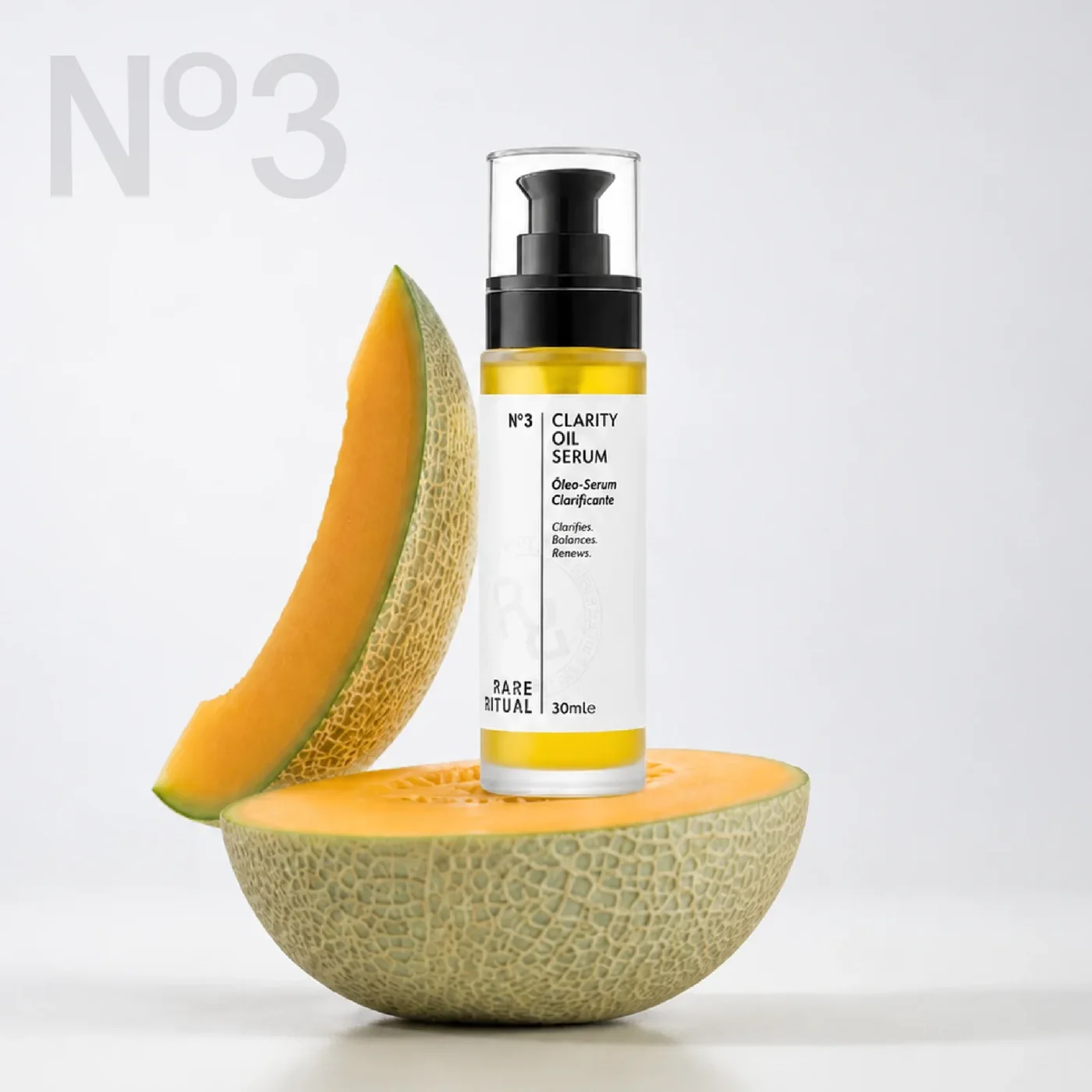
Kalahari Melon Seed Oil (Citrullus lanatus Seed Oil) is among the most linoleic acid-rich botanical oils available in cosmetic formulation. Cold-pressed from the seeds of the wild Citrullus lanatus melon that grows across the Kalahari Desert, it delivers a high concentration of linoleic acid in a completely non-comedogenic carrier. It is wild-harvested, indigenous, and carries a story that goes well beyond its chemistry.
In functional terms, it does exactly what linoleic acid for acne-prone skin requires: it replenishes the specific fatty acid that congested skin is deficient in, in a form that absorbs readily without contributing to congestion. It is the ingredient that gives acne-prone skin what it is actually missing, in the most direct form available.
Black Seed Oil: Ancient Medicine With Modern Validation
Nigella sativa, known as Black Seed, has been used in traditional medicine for over 2,000 years, referenced in ancient Egyptian and Islamic texts. Its active compound, thymoquinone, has well-documented antimicrobial and anti-inflammatory properties that are directly relevant to acne-prone skin.
Antimicrobial action targets the environment that allows acne-causing bacteria to proliferate. Anti-inflammatory action addresses the redness and swelling that turn a blocked pore into a full breakout. Black Seed Oil is also rich in linoleic acid, reinforcing the formula’s core fatty acid delivery from a second source. Centuries of traditional use, a growing body of modern research: a combination that is genuinely uncommon.
Bakuchiol: The Retinol Alternative Without the Drawbacks
Bakuchiol, derived from the seeds of the Babchi plant (Psoralea corylifolia), has been used in Ayurvedic medicine for over 4,000 years and is now validated by modern clinical studies for its retinol-pathway activity. It supports cell turnover and helps clear congested follicles, and carries documented anti-inflammatory and antimicrobial properties directly relevant to acne-prone skin.
What distinguishes bakuchiol from conventional retinol for acne-prone skin is what it does not do. No photosensitivity. No purging period. No irritation that strips the barrier and causes the rebound congestion many people experience when introducing retinoids. Bakuchiol can be used morning and evening, across all skin types, without restriction.
Tamanu Oil and Post-Breakout Recovery
Tamanu Oil (Calophyllum inophyllum Seed Oil) is a dark, aromatic healing oil from the Pacific and East African coast, used for centuries in traditional medicine for its wound-healing and anti-inflammatory properties. Its unique active compound, calophyllolide, gives it a genuinely therapeutic profile for inflamed, congested skin.
For acne-prone skin, the post-breakout phase matters as much as the active breakout. Tamanu supports the skin’s recovery from inflammation and helps reduce the visible signs of post-breakout damage, making the path from congestion to clearer skin shorter and less marked. Sea Buckthorn Fruit Oil adds a concentrated dose of carotenoids and palmitoleic acid, a fatty acid with documented anti-inflammatory properties, further supporting this recovery.
Why Cold Processing Matters for Linoleic Acid for Acne-Prone Skin
Linoleic acid and the bioactive compounds in Black Seed Oil and Tamanu are sensitive to heat. They oxidise and degrade under elevated temperature during processing. Cold processing, meaning no heat is applied at any stage of formulation, preserves every bioactive compound in its intact, functional form.
For a formula built around the specific documented mechanism of linoleic acid for acne-prone skin, process integrity matters as much as ingredient selection. A cold-processed formula delivers what the label claims. A heat-processed one may not.
Where to Find These Ingredients
Kalahari Melon Seed Oil, Black Seed Oil, Bakuchiol, Tamanu Oil, Jojoba, Squalane, and a dual antioxidant system of mixed tocopherols and rosemary extract all come together in No 03 Clarity Oil Serum by Rare Ritual. A lightweight, golden facial oil formulated around the science of what acne-prone and congested skin is actually missing. Not an oil to avoid. The specific oil it needs.